

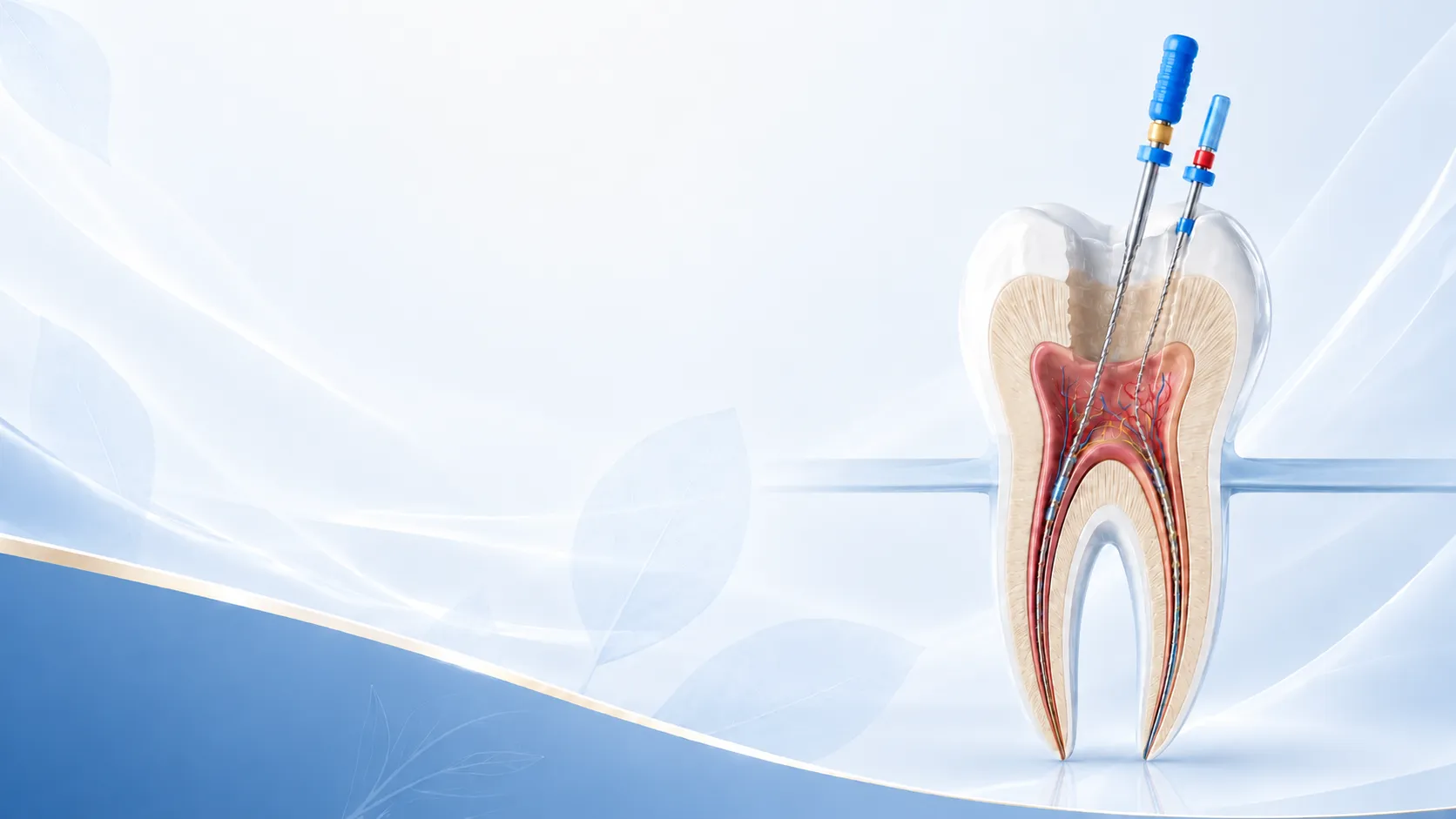
Treat the Infection Without Automatically Losing the Tooth
Morton Family Dentistry evaluates painful or infected teeth and provides root canal therapy when saving the natural tooth is the better long-term option.
The hard outer part of a tooth can remain intact even when the soft tissue inside has become inflamed or infected. A root canal treats the problem within the tooth so the remaining structure can often continue to function.
Morton Family Dentistry first determines whether the tooth is restorable. If it can be saved, treatment removes the unhealthy inner tissue and seals the canal system against new contamination.
Symptoms That Deserve Evaluation
- Tooth pain that lingers or becomes severe
- Strong sensitivity to heat or cold
- Pain when biting or releasing pressure
- Swelling, tenderness, or a recurring bump near the tooth
- Darkening of a tooth after injury
What Root Canal Therapy Accomplishes
The dentist accesses the inside of the tooth, removes inflamed or infected tissue, cleans and shapes the internal spaces, and fills them with a sealing material. The opening is then restored so bacteria cannot easily re-enter.
The Tooth Often Needs Additional Protection
A tooth can become more vulnerable after extensive decay, fracture, or root canal treatment. A bonded buildup, post, or crown may be recommended to restore strength and allow the tooth to handle normal chewing forces.
Saving a Tooth Versus Removing It
Keeping a natural tooth can preserve bite balance and avoid the space created by an extraction. When the tooth cannot be restored predictably, the dentist will explain removal and replacement options instead.
Arrange a Root Canal Evaluation in Morton
For patients in Morton, Washington, and surrounding Tazewell County communities, persistent pain, swelling, or temperature sensitivity should be checked before the infection spreads or the tooth becomes harder to save.
Frequently Asked Questions
Is the nerve left inside the tooth after treatment?
No. The inflamed or infected pulp tissue is removed from the internal canal space, while the outer tooth remains in place.
Can a root canal fail?
Like any treatment, it is not guaranteed. New decay, fractures, or complex anatomy can cause future problems, which is why the final restoration and ongoing care matter.