

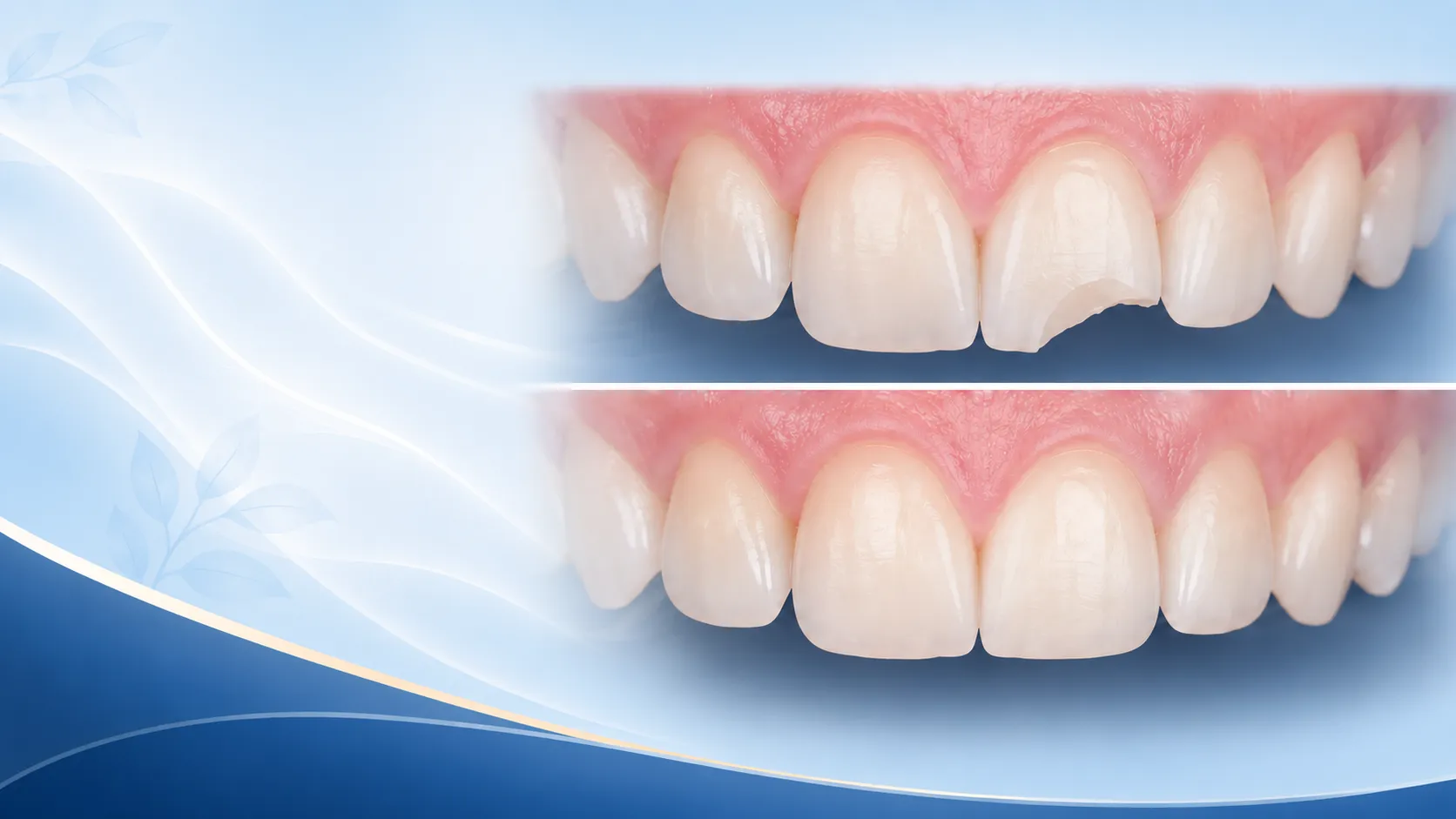
Restore Damaged Tooth Structure Without a Noticeable Metal Repair
Morton Family Dentistry uses tooth-colored composite material to rebuild selected areas while matching the surrounding tooth as closely as possible.
A filling replaces tooth structure that has been lost to decay, wear, or a small fracture. Tooth-colored composite can be selected to blend with the enamel, making it useful in both visible areas and many back teeth.
The goal at Morton Family Dentistry is not simply to cover a cavity. The damaged area must be cleaned, rebuilt to the correct shape, and adjusted so the bite feels comfortable.
Problems That May Be Repaired with Composite
- Small or medium areas of tooth decay
- Minor chips or worn edges
- An older filling that is leaking, broken, or unattractive
- A localized shape concern that can be corrected conservatively
How the Filling Is Placed
After the unhealthy tooth structure is removed, the area is prepared for bonding. Composite is placed and hardened in controlled layers, then shaped and polished to reproduce the natural contours of the tooth.
Not Every Damaged Tooth Is Best Treated with a Filling
A large cavity, major fracture, or weakened cusp may need the coverage of a crown instead. The dentist considers how much sound tooth remains and how much pressure the area receives before recommending the restoration.
Protecting the Tooth After Treatment
Daily brushing, flossing, regular exams, and attention to grinding or clenching can help the repaired tooth last longer. New decay can still form where a filling meets natural enamel.
Schedule a Filling Evaluation in Morton
Morton Family Dentistry can examine a cavity, chip, or older restoration and explain whether composite filling material is the right repair.
Frequently Asked Questions
Will the filling be exactly the same color as my tooth?
The material is shade-matched to blend closely with the surrounding enamel, although natural teeth can have variations in color and translucency.
How long does a tooth-colored filling last?
Longevity depends on the size and location of the filling, bite pressure, home care, and whether the patient clenches or grinds.